
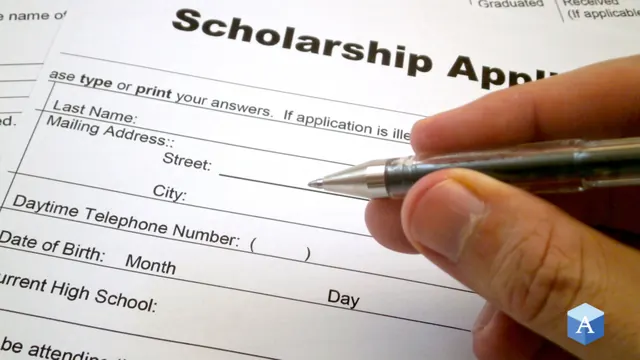
US media and college-access groups often cite the same estimate: roughly a hundred million dollars in private scholarships goes unclaimed every year. That figure has no official statistics behind it, but something else is certain. Tens of thousands of organizations hand out scholarship money, and most awards attract far fewer applicants than they have slots for. The money sits unclaimed because the funders are so fragmented that award notices live in local newsletters, high school counseling offices, and association mailings where a generic search never reaches.
The real barrier is information, not grades. Sort the funders into five classes and each one has a fixed door to knock on.

Five funder classes, one door each
Government programs. Federal student aid runs through studentaid.gov. FAFSA is the single application, and the Pell Grant is the largest award you never repay. CareerOneStop, run by the Department of Labor, hosts a free finder with more than 9,500 scholarships, grants and prizes, no account or email required. State education agencies keep their own program pages.
Colleges themselves. Every university's financial aid page lists merit and need-based awards. The scholarship named in an acceptance letter is only the visible layer; department-level awards sit on each school's own page.
Local clubs and community foundations. Rotary, Lions, Kiwanis and Elks chapters fund small awards year after year, and some years nobody applies at all. High school counseling offices, community foundations, churches and cultural centers are where these awards get posted. They never reach a search engine, only a local bulletin board.
Employers. Plenty of companies run dependent scholarships for employees' children, across supermarkets, factories and unions. These go unused because employees never hear of them. The only door is a parent asking HR.
Professional associations. Associations courting young members fund awards constantly, including odd niches like confectionery science, welding and grocery retail. A twenty-dollar student membership can unlock a pool worth thousands.
Why the money goes unclaimed
The list above already shows the problem. These organizations have no marketing budget, so awards reach only people who already knew where to look. The joingerald list puts it plainly: the barrier is not the application, it is awareness.
The second cause is narrow eligibility. Awards exist for being tall, left-handed, vegetarian, good at duck calling, or willing to attend prom in a duct tape dress. Narrow eligibility means almost no competition, and it means general search cannot help. You have to search for "scholarships for" plus your own trait.
Free tools only, and the fee red line
Free finders are enough. Fastweb is the largest free database and matches one profile to over a million awards. BigFuture suits students already on College Board. Bold.org specializes in no-essay quick applications.
One red line covers everything: a legitimate scholarship search never costs money. The FTC lists "pay to guarantee an award" and "pay to unlock our exclusive database" among its scholarship-scam warnings. Tools like ScholarshipOwl charge a convenience fee to apply to many awards at once, not an entry fee. Before paying, be clear about whether it saves you time rather than eligibility.
Small awards stack better than big ones
Most applicants chase the five-thousand and twenty-thousand-dollar awards, the visible tenth of the iceberg and where the competition is worst. Underneath sit local awards of five hundred to two thousand dollars with a fraction of the applicants.
Ten two-thousand-dollar awards add up to twenty thousand. Their essay prompts barely differ, cycling through overcoming a challenge, leadership, and why you need the money. Write one five-hundred-word master essay, change the opening and closing each time, and an evening covers five or six applications.
Three things you can do this week
- Run a no-signup search on CareerOneStop with your state, your field, and one personal trait as filters.
- Have a parent ask HR whether the company or union offers a dependent scholarship.
- Ask a high school or college counseling office for the local list: clubs, community foundations, association awards.
Scholarships are not reserved for top students. They behave more like a badly organized market, and the people who know where to look collect most of the money nobody else is chasing.
Sources: studentaid.gov, CareerOneStop (US Department of Labor), FTC scholarship-scam guidance, joingerald.com, blog.anutio.com, haznos.org. Retrieved 2026-09-22; award amounts and deadlines follow each funder's current notice.